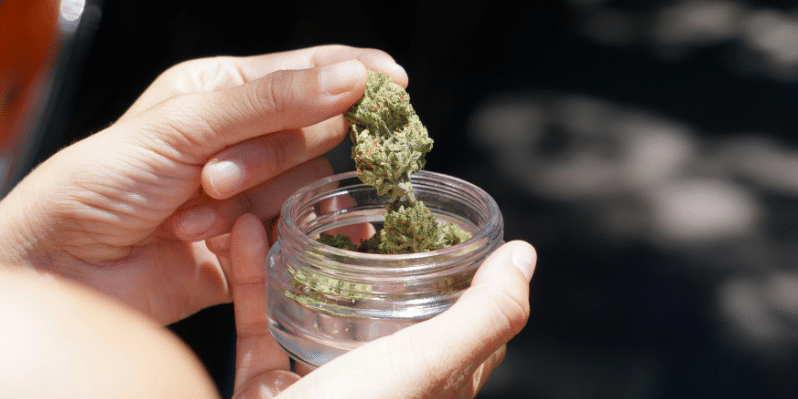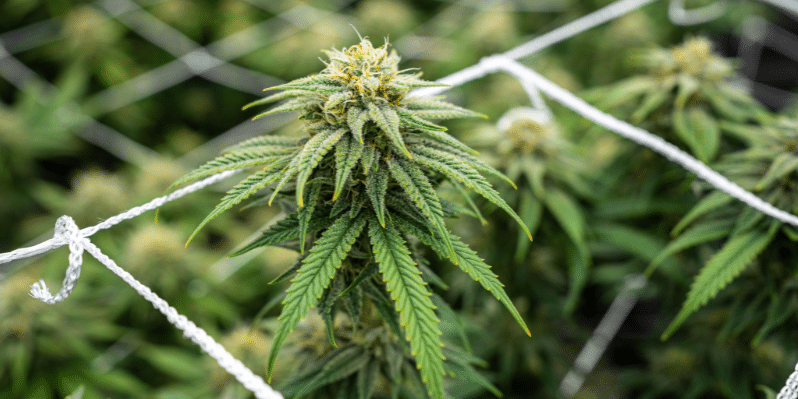
You find a strain you love, remember the name, and buy it again somewhere else. Same strain, so you expect the same experience. Then you open it up and it smells different. The buds look different. Maybe the flavor is different too. Even the overall experience might not be quite what you remember. That does not necessarily mean anything is wrong. Cannabis is an agricultural product, and a strain name is only one part of what eventually ends up in the package. Genetics matter, but so do the grower, growing environment, harvest, drying, curing, and the individual batch.
The Same Strain Name Does Not Mean the Same Product
It is easy to treat a cannabis strain name like a product model. If you enjoyed OG Kush, Maui Wowie, or Gorilla Glue, seeing that same familiar name again can make it seem like you already know exactly what you are getting. It is not quite that simple.
A strain name can give you useful information about the plant and its genetic background, but cannabis strains are not standardized recipes. Two cultivators can grow cannabis carrying the same strain name and end up with flower that looks, smells, tastes, and tests differently. That is why the strain name is useful, but it should not be the only thing you remember.
Genetics Are Only the Starting Point
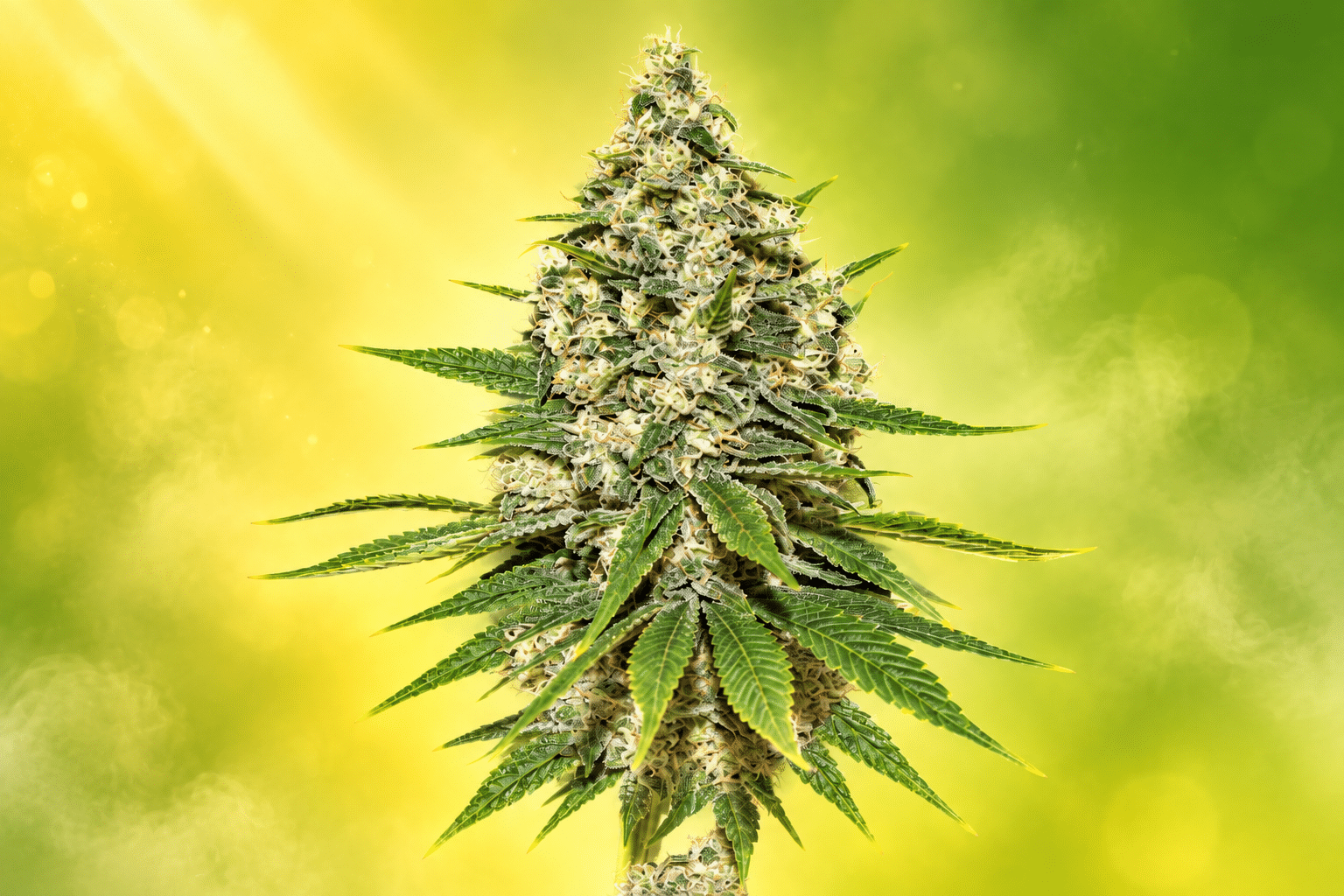
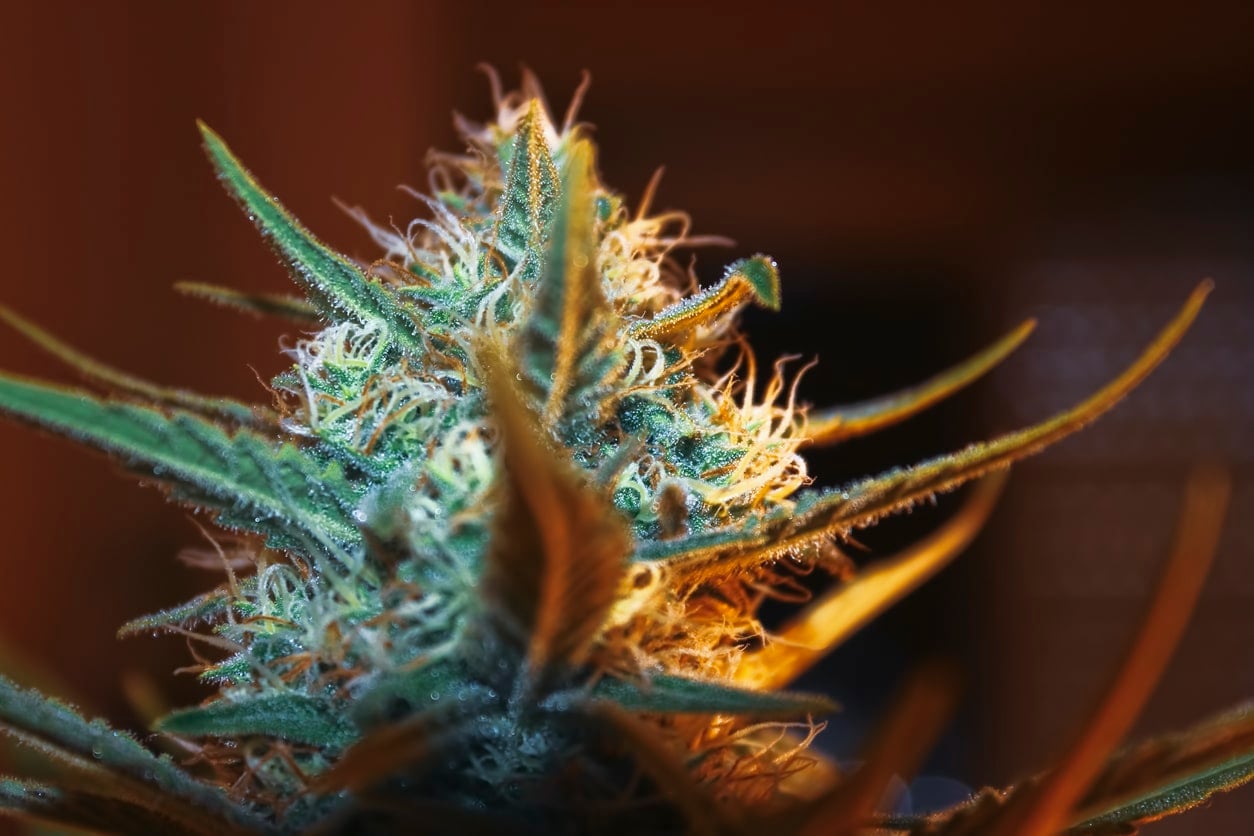
You may hear growers talk about genetics and phenotypes when describing cannabis. The genetics are essentially the plant’s blueprint. The phenotype is how those genetics actually show themselves as the plant grows. Plants with similar genetics can still express different characteristics. One may develop a stronger aroma, different coloration, a different bud structure, or a different cannabinoid and terpene profile. Think about siblings. They can come from the same parents and still look noticeably different from one another. Cannabis can show variation in a similar way.

The Cultivator Makes a Difference
This is where the grower becomes important. Light, temperature, humidity, nutrients, plant health, and the overall cultivation environment can all influence how a plant develops. Then there is harvest timing. After harvest, the flower still needs to be dried and cured. How that process is handled can affect aroma, flavor, moisture, texture, and the quality of the finished flower by the time you open the package. That means two growers starting with similar genetics can still produce noticeably different versions of the same strain. You might love one cultivator’s version of Gorilla Glue and be less impressed with another. That does not automatically mean one is authentic and the other is not. You may simply prefer how one cultivator selected, grew, harvested, and finished that particular plant.
Even the Same Grower Can Have Batch Variation
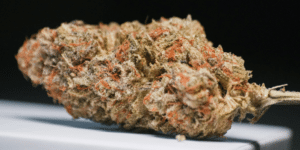
Finding a cultivator you like helps, but cannabis can still vary from harvest to harvest. One batch may come through slightly different from the next because plants are living things. Growing conditions change, harvest timing can vary, and cannabinoid or terpene levels may shift. Storage and age matter too. This is another reason we do not recommend looking at one number or one name and treating it as the entire story. We talked about the same idea in our guide to what THC percentage really tells you. THC is useful information, but the biggest number on the label does not automatically tell you which product you are going to enjoy most. Strain names work the same way. They are another piece of information, not a guarantee.
Remember Who Grew It
If you find cannabis you really enjoy, remember more than just the strain name.
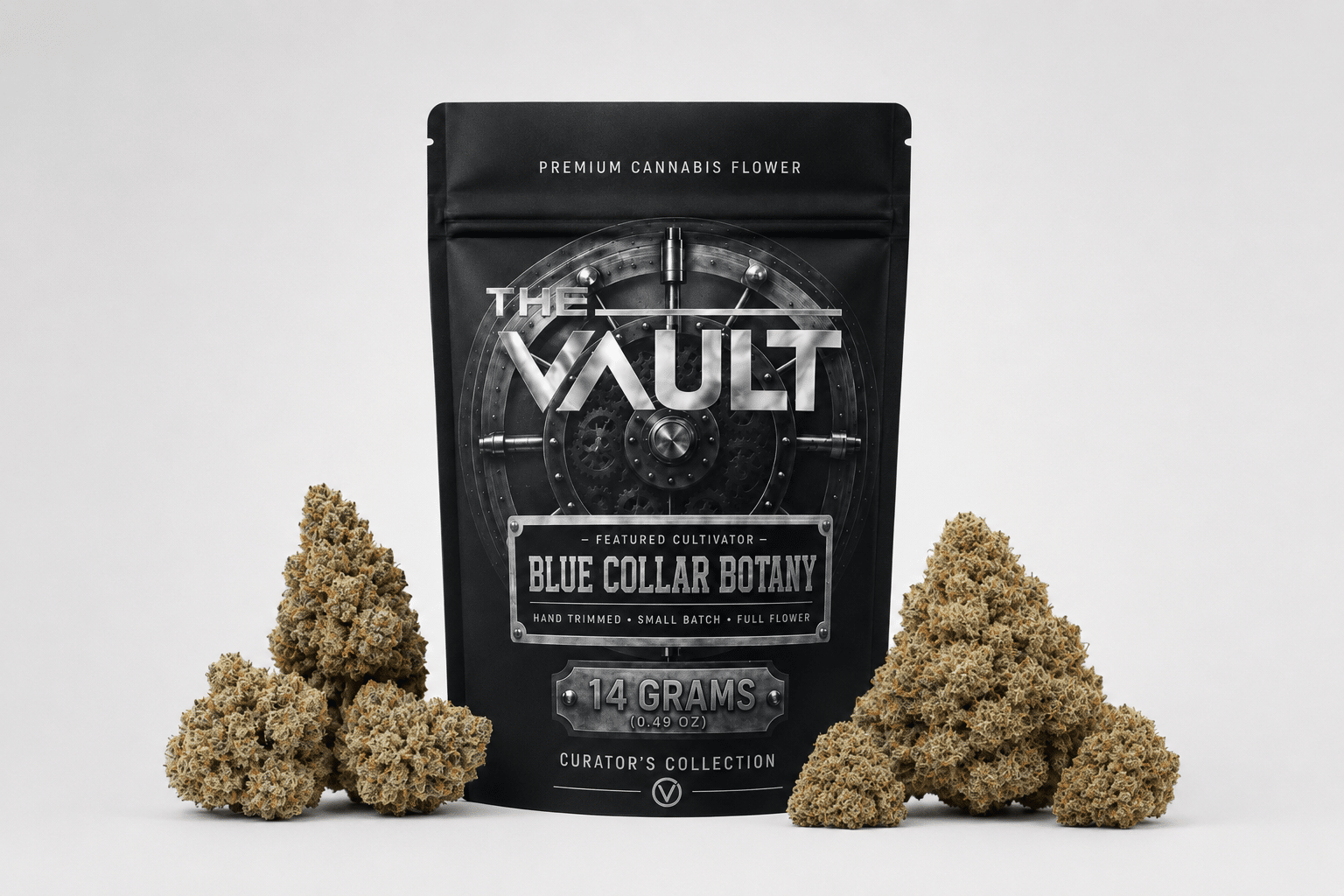
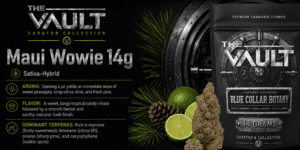
Take note of the cultivator, the strain, the cannabinoid and terpene information available, and anything you noticed about the aroma, flavor, freshness, and overall experience. For example, our Maui Wowie in the Vault Curator Collection is grown in partnership with Blue Collar Botany. If that particular version stands out to you, remembering both Maui Wowie and the cultivator behind it gives you much more useful information the next time you shop. The current Curator Collection also highlights how cultivation, harvest, curing, aroma, structure, and staff impressions all contribute to how we describe a finished flower. Over time, you may even realize that you consistently enjoy certain cultivators across several different strains. That can be more useful than chasing a familiar name by itself.
The Name Gets You Started
Strain names still matter. They can help you recognize genetics you have enjoyed before and give your budtender a starting point when you are looking for something similar. Just do not expect two packages with the same name to automatically be identical.
Blue Dream is not always going to be the same Blue Dream. Sour Diesel is not always going to be the same Sour Diesel. White Widow from one cultivator may be noticeably different from White Widow grown by another.
The strain name gets you started. The cultivator, batch, label, and finished product tell you the rest. If you are shopping at The Vault in Webster or Worcester, our budtenders can help you compare current strains, cultivators, and batches and find something closer to what you already know you enjoy.